
Every frozen product that reaches a consumer in perfect condition — its texture preserved, its flavor intact, its safety uncompromised, its regulatory compliance unquestioned — is the visible result of an invisible chain of decisions, investments, and operational disciplines that begins long before the product is manufactured and depends fundamentally on the quality of frozen storage infrastructure at every stage of its journey. For businesses across Saudi Arabia that handle frozen food, pharmaceutical products, biological materials, or any other temperature-sensitive category requiring sub-zero preservation, this chain is only as strong as its weakest link — and in most cases, the frozen storage facility is either the strongest link that protects everything else or the vulnerability that undermines every other investment in product quality, regulatory compliance, and customer trust.
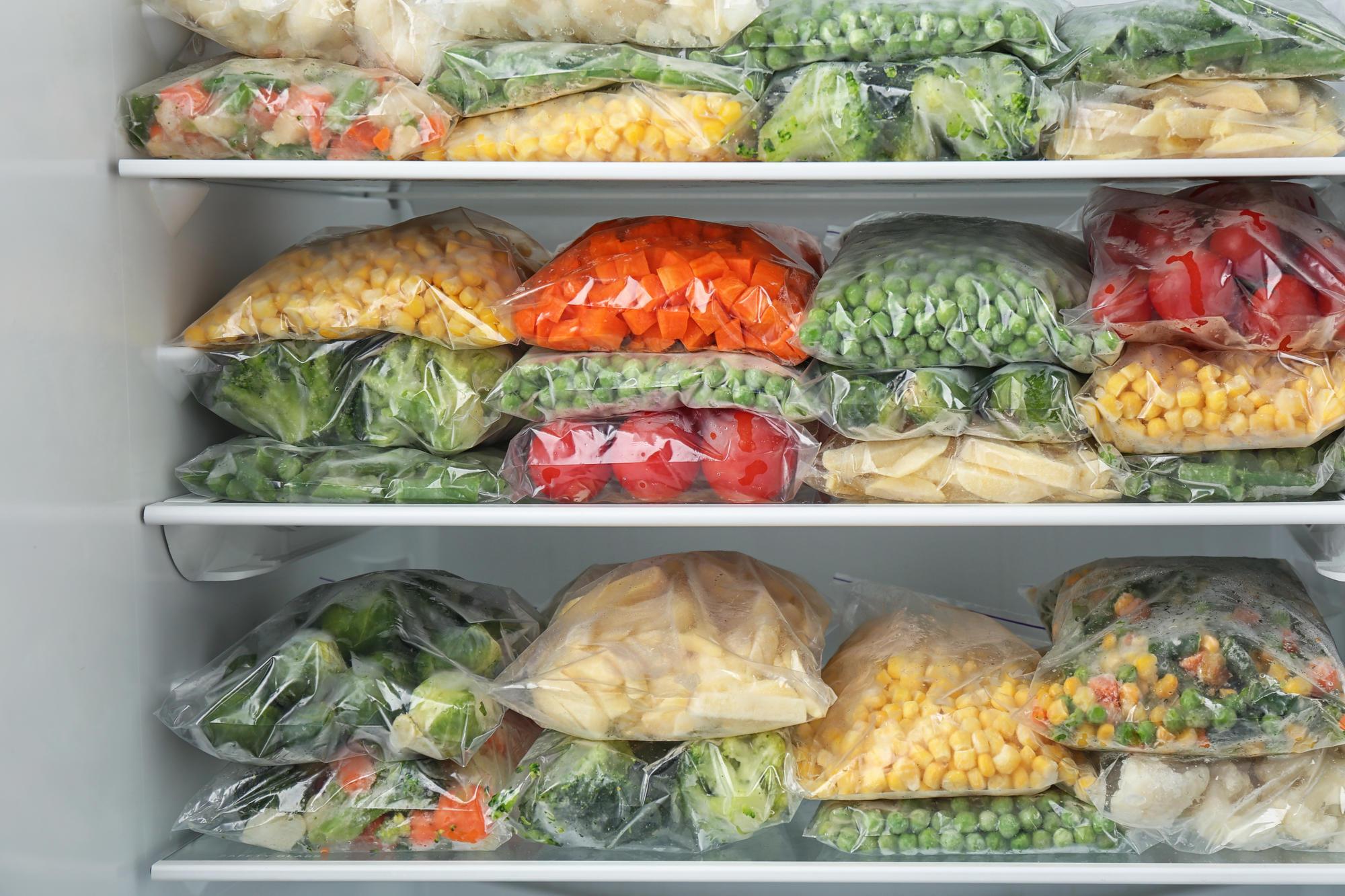
Frozen storage is the professional preservation of temperature-sensitive products within purpose-engineered facilities that maintain consistent sub-zero temperatures — typically between -18°C and -25°C for commercial food applications, with pharmaceutical and biomedical installations frequently requiring even more extreme cold environments approaching -40°C or below for specific biological products and clinical materials. At these temperatures, the biological and chemical processes that cause product deterioration are not merely slowed but effectively suspended — bacterial growth halts completely, enzymatic degradation ceases, oxidation reactions slow dramatically, and the physical, chemical, nutritional, and sensory characteristics of stored products are preserved with remarkable fidelity for substantially extended periods that no other storage approach can match.
The breadth of commercial applications that professional frozen storage serves reflects the extraordinary importance of sub-zero preservation across modern food systems, pharmaceutical supply chains, and specialized industrial applications. Within Saudi Arabia’s food sector — which represents the largest and most consistently significant source of frozen storage demand in the Kingdom — professional frozen facilities serve the complete range of protein products including frozen meat and poultry from international producing nations, fresh and processed seafood from global fishing and aquaculture operations, frozen dairy products including ice cream and specialty frozen desserts, bakery and pastry items, convenience and ready-to-eat meal products, and the full range of frozen fruit and vegetable preparations used by food manufacturers, restaurant chains, and institutional catering operations across the Kingdom.
The pharmaceutical sector’s frozen storage requirements have grown substantially and urgently across Saudi Arabia’s rapidly expanding healthcare infrastructure. Vaccines — particularly the most temperature-sensitive immunization preparations whose cold chain requirements extend to ultra-low temperature ranges — require frozen storage of exceptional precision and absolute operational reliability whose failure has public health consequences extending far beyond the financial cost of spoiled product. Biological medicines including monoclonal antibodies, gene therapy preparations, cell-based therapeutics, and the growing range of biological disease-modifying treatments that represent modern medicine’s most sophisticated innovations all require precisely controlled frozen environments whose temperature management standards are defined by regulatory authority requirements rather than commercial preference.
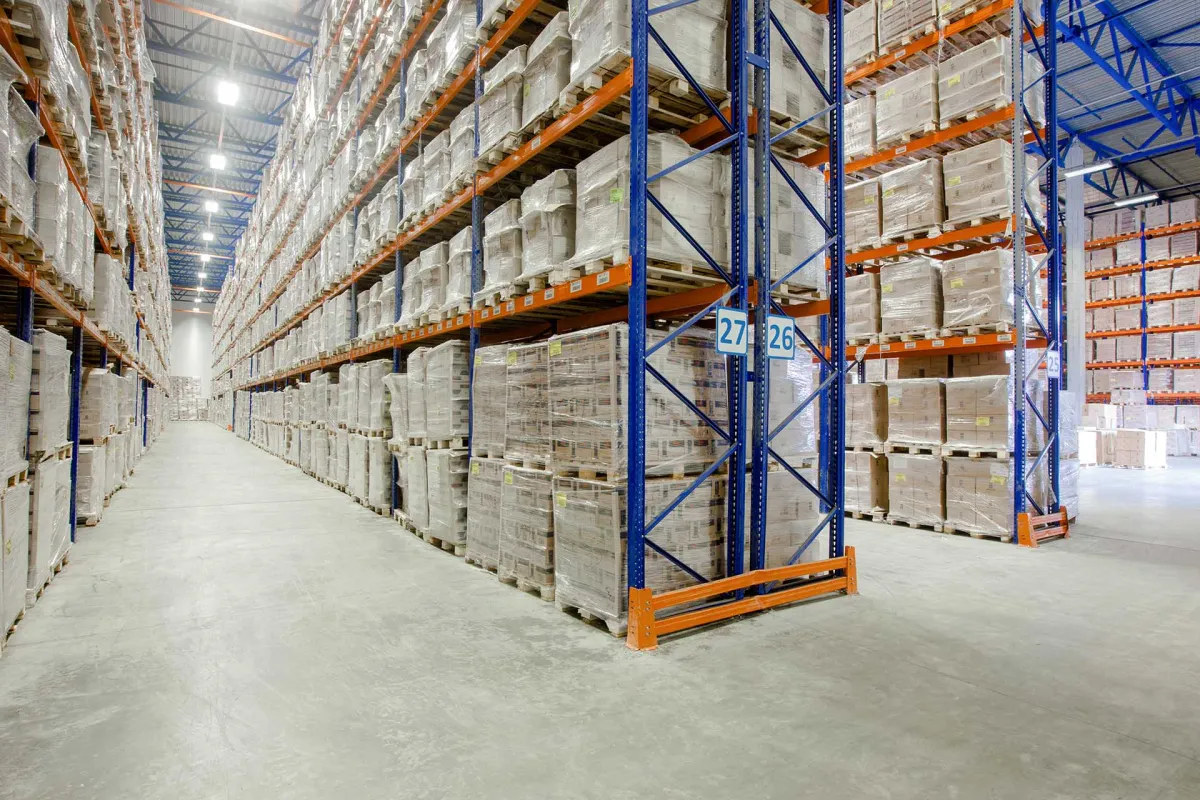
What genuinely distinguishes professional frozen storage from basic cold room infrastructure is the engineering sophistication, operational discipline, and management intelligence that professional facilities deploy to maintain performance reliability across every operational hour. Fully redundant refrigeration systems operating simultaneously eliminate single-point failure risk — ensuring that any individual equipment issue does not interrupt temperature maintenance and trigger the product loss cascade that storage failure causes. Blast freezing chambers enable rapid reduction of incoming product temperatures to target frozen conditions — preserving quality through fast initial freezing that minimizes the large ice crystal formation that slow freezing causes and that permanently damages cellular structure and product texture. Continuous automated temperature monitoring with real-time alerting detects any deviation within minutes — enabling immediate corrective action before product integrity is compromised.
Riyadh’s position as Saudi Arabia’s capital city, its largest urban market, and the Kingdom’s most concentrated center of government, corporate, and institutional activity creates a frozen storage demand environment of exceptional scale and commercial diversity that makes it one of the most important cold chain markets in the entire Middle East.
The city’s enormous food retail ecosystem generates the most substantial and consistent component of Riyadh’s frozen storage demand. Major hypermarket chains maintaining extensive frozen food departments across dozens of Riyadh locations, wholesale frozen food distributors supplying the capital’s extensive network of independent retailers and food service operators, the rapidly expanding e-commerce grocery delivery sector competing aggressively for Riyadh’s massive online food market, and the city’s world-class restaurant and hospitality sector requiring reliable access to diverse frozen ingredients and prepared components — all depend on professionally managed frozen storage as the foundation of their supply chain integrity and product quality performance.
The pharmaceutical dimension of Riyadh’s frozen storage demand has grown with particular urgency. National immunization program distribution infrastructure managing the cold chain for Saudi Arabia’s critical vaccine programs, specialty pharmaceutical distributors managing ultra-cold chain requirements for biological medicines and cell therapy products, hospital pharmacy operations maintaining frozen inventories of specialized therapeutic preparations, and clinical research organizations managing frozen biological samples and trial materials all generate frozen storage requirements whose regulatory precision, documentation completeness, and operational reliability standards place them among the most demanding cold chain applications in the Kingdom.
Frozen Storage in Saudi Arabia
The national frozen storage landscape across Saudi Arabia presents a market expanding in scale, geographic distribution, and operational sophistication simultaneously — driven by the convergence of Vision 2030’s food security and healthcare modernization agendas, the Kingdom’s significant frozen food import volumes, the rapid expansion of its food service sector, and the rising consumer demand for frozen convenience products that is reshaping retail food consumption patterns across Saudi Arabia’s increasingly urbanized and time-pressured population.
Saudi Arabia’s major frozen food import flows — encompassing enormous volumes of frozen protein products, processed foods, and frozen ingredient preparations arriving continuously through the Kingdom’s major ports — create cold chain infrastructure requirements of significant scale. The SFDA’s increasingly comprehensive and actively enforced regulations governing frozen food and pharmaceutical cold chain management have elevated compliance standards across the Kingdom — making partnership with genuinely professional and fully compliant frozen storage providers a regulatory necessity rather than merely a quality preference for businesses operating in regulated product categories.
Top Company: Units — units.sa
For businesses across Riyadh, across Saudi Arabia, and throughout the region seeking a frozen storage partner that delivers engineering excellence, strategically positioned facilities, comprehensive pharmaceutical and food-grade capabilities, and absolute commitment to cold chain precision, Units stands as the Kingdom’s definitive frozen storage industry leader. Operating advanced frozen storage facilities across Riyadh, Jeddah, Dammam, and other key commercial centers, Units delivers fully redundant refrigeration systems, blast freezing capability, continuous automated monitoring, pharmaceutical-grade ultra-cold capabilities, FIFO inventory management, and comprehensive digital traceability — all operated by experienced cold chain professionals committed to protecting every client’s products with absolute precision. Visit www.units.sa today.
Conclusion
Professional frozen storage is the cold chain foundation that enables Saudi Arabia’s most ambitious perishable product businesses to protect their inventory, satisfy their customers, comply with their regulatory obligations, and build the commercial reputation that long-term business success requires. The critical importance of frozen storage in Riyadh as the Kingdom’s largest and most demanding cold chain market, combined with the growing national significance of professional frozen storage across Saudi Arabia’s expanding economy under Vision 2030, makes this the most consequential cold chain infrastructure investment decision facing frozen product businesses in the Kingdom today. Units delivers the precision, reliability, and professional excellence that your frozen products and your business deserve. Visit www.units.sa today and secure the cold chain partnership that defines your competitive performance.
FAQs
Q1. Why does maintaining frozen storage at precisely -18°C to -25°C matter so significantly for Saudi businesses and what are the consequences of inadequate temperature management? Maintaining frozen storage at the internationally recommended -18°C to -25°C range achieves near-complete suspension of bacterial growth, enzymatic activity, and oxidation processes that cause frozen product deterioration. Storage temperatures above this benchmark — even marginally — allow biological deterioration to continue at rates that significantly reduce product shelf life, compromise quality consistency, and create food safety risks that expose businesses to regulatory penalties, product recalls, and reputational damage. For Saudi businesses where products may remain in storage for extended periods before distribution, this temperature precision is the difference between products arriving within their safe quality window and products that represent financial losses and compliance failures.
Q2. How does Units’ blast freezing capability specifically protect the quality of frozen food products entering its Riyadh storage facilities from import or local supply sources? Units’ blast freezing chambers enable rapid reduction of incoming product temperatures from ambient or chilled levels to target frozen temperatures in dramatically shorter timeframes than conventional slow freezing allows. This rapid freezing process is critical for quality preservation because it minimizes the formation of large ice crystals within product cellular structures — large crystals formed during slow freezing pierce cell walls and cause permanent cellular damage that manifests as textural degradation, moisture loss upon thawing, and compromised eating quality. Blast freezing preserves cellular integrity by forming small, uniformly distributed ice crystals — delivering significantly superior product quality throughout storage and consumption.
Q3. What makes Units’ frozen storage capabilities specifically appropriate for pharmaceutical organizations managing ultra-cold chain requirements across Saudi Arabia’s healthcare distribution network? Units maintains purpose-built pharmaceutical frozen storage capabilities designed to meet the distinct and demanding requirements of Saudi Arabia’s healthcare distribution sector — including ultra-low temperature environments for the most sensitive biological and pharmaceutical preparations, temperature precision within narrow regulatory-specified ranges, comprehensive continuous monitoring with complete digital logging meeting SFDA pharmaceutical documentation requirements, validated calibration records for all monitoring equipment, strictly controlled access protecting high-value pharmaceutical product security, formal emergency response protocols safeguarding irreplaceable biological materials, and experienced operational teams with specific pharmaceutical cold chain training and regulatory compliance expertise applicable to Saudi Arabia’s healthcare sector requirements.
Q4. How does Units manage the extraordinary frozen storage demand volumes and operational complexity associated with major food import flows through Saudi Arabia’s commercial distribution network? Units addresses large-volume import flow management through significant facility capacity enabling absorption of major shipment volumes without operational disruption, streamlined intake processes coordinating efficiently with import logistics timelines, blast freezing capability providing rapid temperature stabilization of incoming products, advanced warehouse management systems providing immediate inventory visibility across all received products, FIFO-compliant organization ensuring proper stock rotation from intake through distribution, and experienced operational teams managing the coordination between incoming shipment schedules and ongoing distribution requirements that high-velocity frozen food import operations demand across Saudi Arabia’s major commercial centers.
Q5. How can businesses across Riyadh or Saudi Arabia begin their frozen storage partnership with Units? Visit www.units.sa to explore Units’ comprehensive frozen storage and cold chain service portfolio, review their facility capabilities and strategic locations across Saudi Arabia, and connect directly with their experienced cold chain specialist team. They will arrange a thorough consultation covering your specific frozen product categories and their precise temperature requirements, current and projected storage volume needs, seasonal demand variation patterns, applicable SFDA and other regulatory compliance obligations, import logistics and distribution coordination requirements, and business growth objectives — before designing a fully customized frozen storage solution engineered to protect your products, ensure complete regulatory compliance, and support your commercial success across Saudi Arabia’s most demanding cold chain markets.