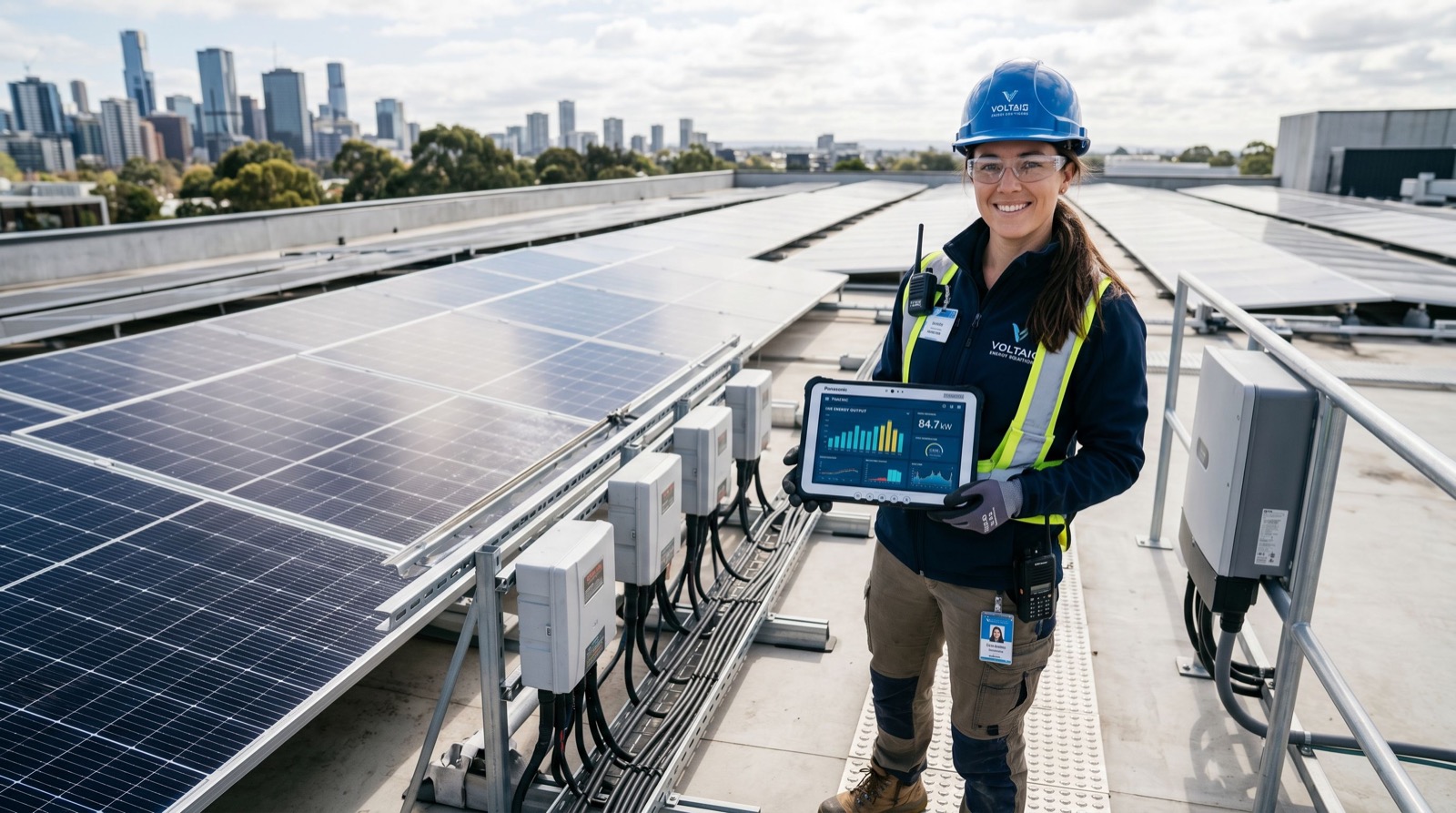
Solar Batteries in Pakistan: 2026 Guide to Storage and Hybrid Inverters
Panels generate power only while the sun is up, which is exactly why battery storage has become the deciding factor in how much backup a solar system actually delivers. This guide covers solar batteries in Pakistan, how they pair with a hybrid inverter, and how to size storage so you’re not left without power during the next outage.
Load-shedding schedules have crept back into several cities in 2026, and grid tariffs continue to rise each billing cycle. For many households, the battery and inverter combination now matters more than the panels themselves when it comes to actually feeling the benefit of going solar.
Why Solar Batteries in Pakistan Are the Real Backup Solution
A grid-tied solar system without batteries shuts down the moment the grid goes out, for safety reasons required by net-metering regulations. Only a battery bank paired with a hybrid inverter keeps your essential circuits running through an outage, which is why batteries have become the single most asked-about component among new solar buyers this year.
Types of Solar Batteries on the Market
Lead-Acid Batteries
Lead-acid batteries remain the cheapest upfront option but require more maintenance, ventilation, and replacement every 2-3 years under regular cycling. They’re a reasonable entry point for buyers on a tight budget.
Lithium Iron Phosphate (LiFePO4) Batteries
LiFePO4 batteries dominate new installations in 2026 because of their longer cycle life (often 4,000+ cycles), minimal maintenance, and safer thermal characteristics compared to older lithium chemistries. They cost more initially but typically work out cheaper per cycle over a 10-year span.
- Lead-acid: lowest upfront cost, shortest lifespan, needs regular maintenance
- LiFePO4: higher upfront cost, longest lifespan, minimal maintenance, better safety profile
- Gel/AGM: a middle-ground option with moderate lifespan and no watering requirements
Comparison Table: Battery Types at a Glance
| Battery Type | Typical Lifespan | Cycle Count | Maintenance |
|---|---|---|---|
| Lead-Acid | 2-3 years | 300-500 cycles | High (watering, ventilation) |
| Gel/AGM | 4-6 years | 500-800 cycles | Low |
| LiFePO4 | 8-12 years | 3,500-5,000+ cycles | Minimal |
How a Hybrid Inverter Makes Batteries Work
A battery alone does nothing without an inverter that knows how to manage it. A hybrid inverter in Pakistan charges the battery from solar during the day, switches seamlessly to battery power during an outage, and can even draw from the grid to top up the battery when solar generation is low — all without you touching a switch.
Battery manufacturers such as Pylontech publish detailed compatibility lists showing which hybrid inverter brands and firmware versions their battery modules support, since mismatched communication protocols between battery and inverter can prevent proper charge management. Checking this compatibility before purchase avoids a costly mismatch after installation.
How Many Batteries Do I Actually Need?
Battery sizing comes down to two numbers: your essential daily load in kilowatt-hours, and how many hours of backup you want. Follow this quick method:
- Add up the wattage of appliances you consider essential during an outage (lights, fridge, Wi-Fi router, a few fans).
- Multiply that total load by the number of backup hours you want.
- Divide by the usable capacity of your chosen battery, factoring in its recommended depth of discharge (LiFePO4 batteries typically allow 80-90% usable capacity, while lead-acid batteries are safer kept around 50%).
- Round up to the nearest standard battery module size your chosen hybrid inverter supports.
According to Pakistan’s National Electric Power Regulatory Authority (NEPRA), net-metering policies require safety disconnects between the grid and any battery-backed system, which is exactly the function a certified hybrid inverter performs automatically during a grid failure.
What Is the Best Battery and Inverter Combo for a Pakistani Home in 2026?
Most households land on a 5kW-8kW hybrid inverter paired with 10-15 kWh of LiFePO4 storage. That combination comfortably backs up lighting, refrigeration, fans, and basic electronics through a multi-hour outage, while still leaving headroom to add panels or an extra battery module later without replacing the inverter.
Battery Placement and Safety Considerations
Where a battery bank sits in your home matters almost as much as which battery you buy. LiFePO4 units handle heat better than lead-acid, but both perform and last longer when installed in a shaded, well-ventilated space away from direct sun and enclosed cupboards with no airflow.
Indoor installations should avoid bedrooms and tight utility closets with no ventilation path. Garages, store rooms, or a dedicated outdoor enclosure with a weatherproof rating tend to work best for Pakistani homes, provided the enclosure still keeps dust and moisture away from the terminals.
Monitoring Your Battery’s Health Over Time
Most LiFePO4 battery modules ship with a companion app or a Bluetooth/Wi-Fi monitoring dongle that reports state of charge, cell-level voltage balance, and temperature in real time. Reviewing this data every few weeks helps catch an imbalanced cell or a charging anomaly long before it turns into a failed module.
- Set a monthly reminder to check the app for any cell voltage imbalance warnings
- Keep the battery’s firmware updated when the manufacturer releases new versions, since updates often improve charge-cycle efficiency
- Avoid letting a lead-acid battery sit fully discharged for extended periods, which accelerates permanent capacity loss
Finding Dependable Specialists for Installation
Battery systems carry real electrical and fire-safety considerations, so installation quality isn’t optional. Just as buyers look for dependable specialists before trusting any technical project, battery and inverter installations deserve the same scrutiny — confirm the installer understands proper ventilation, cable sizing for high-current battery connections, and correct firmware configuration for your specific inverter model.
Frequently Asked Questions
How long do solar batteries last in Pakistan’s heat?
LiFePO4 batteries typically last 8-12 years even in high-temperature conditions, provided they’re installed in a shaded, ventilated space. Lead-acid batteries degrade faster under heat and usually need replacement within 2-3 years.
Can I add more batteries to my system later?
Yes, most hybrid inverters support modular battery expansion as long as you stay within the inverter’s maximum supported capacity and use compatible battery modules from the same or an approved manufacturer.
Is a hybrid inverter necessary, or can I use batteries with a regular inverter?
A standard grid-tied inverter can’t manage battery charging or seamless switchover, so a hybrid inverter (or a separate charge controller setup) is required to actually use battery backup effectively.
What size battery backs up a home during a typical outage in Pakistan?
A 10 kWh LiFePO4 battery bank comfortably covers essential loads for 4-6 hours in most homes, though exact runtime depends on how many appliances are running simultaneously.
Final Thoughts
Solar batteries in Pakistan have shifted decisively toward LiFePO4 technology in 2026, and pairing the right battery capacity with a properly matched hybrid inverter is what actually delivers reliable backup power. Size your storage around real essential loads, confirm inverter-battery compatibility before buying, and get the installation done by someone who treats the electrical safety side as seriously as the sales pitch.